Please Save This Cop
VINCENT PRICE
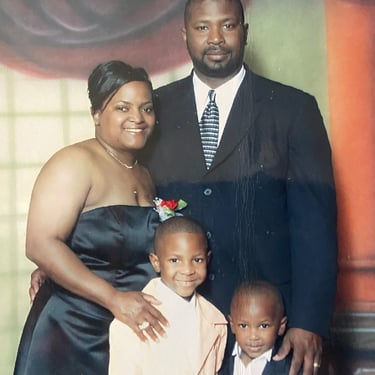

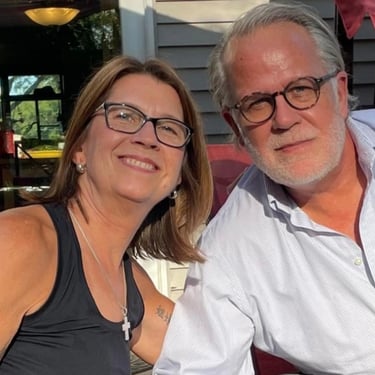

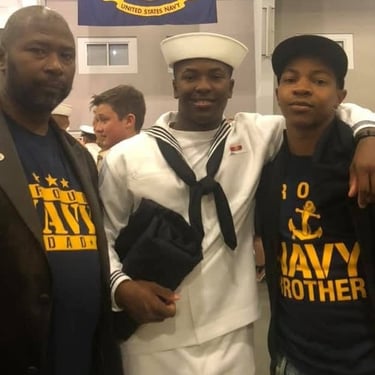
Please Save My Husband
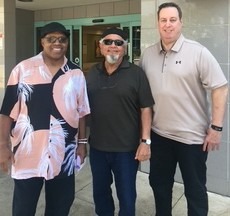
Please Save My Dad
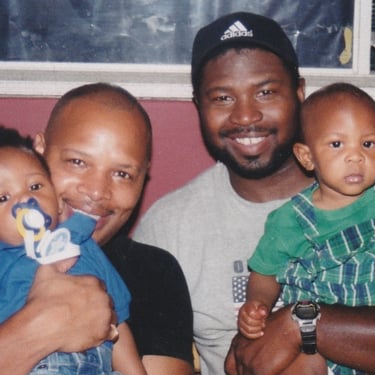
Please Save My Son
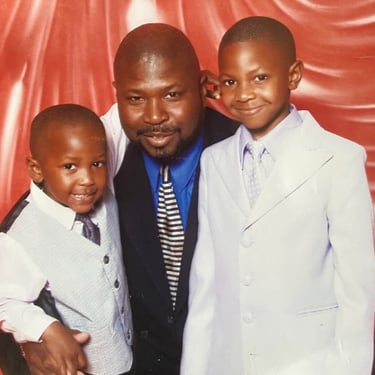
Please Save My Brother
Save a Cop
(He's My Dad)
Living Kidney Donor Needed
Gracias por estar aquí.
Hoy por ti, mañana por mí.


TESTIMONIAL
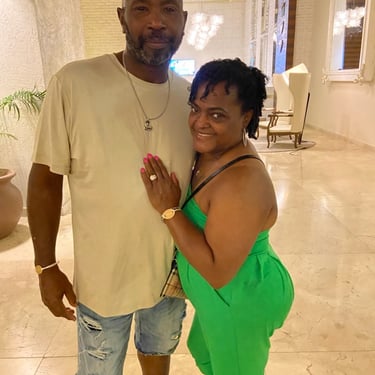
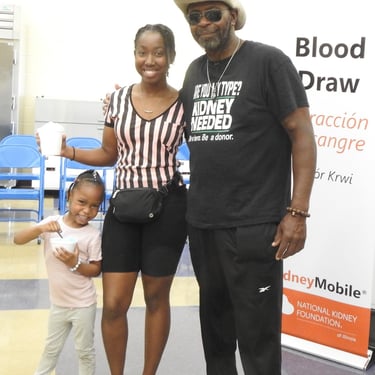
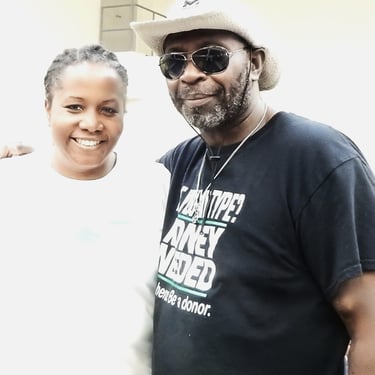
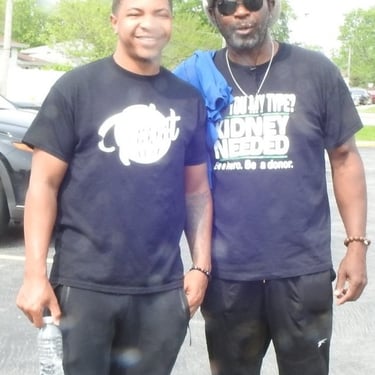
"Vincent has spent his entire life showing up for others—whether in uniform or quietly helping someone in need. He’s the kind of person who doesn’t wait to be asked—he acts. Today, he needs someone to show up for him."
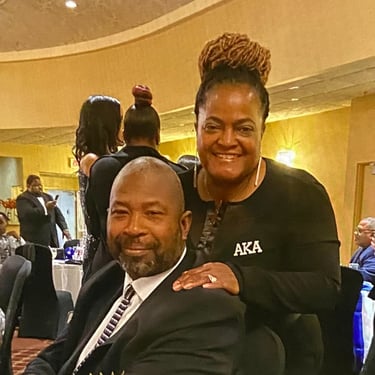
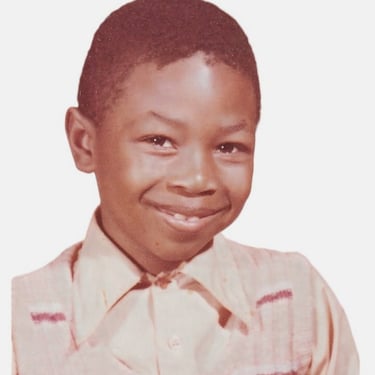


Donors' Top 5 Questions
What are the real risks of donating a kidney? Will this shorten my life?
Kidney donation is major surgery and, like any surgery, the risk isn't zero. However, based on the latest research, the risk is in the range of a tonsillectomy or appendectomy. For the latest research, see Q&A under Donor Protect 360.
How can I survive with one kidney?
Our kidneys are the ONLY organ in the human body with a built-in spare. After donation, your remaining kidney grows up to 20% and takes over the job of two.
What if something happens to my remaining kidney after donation?
Northwestern Medicine partners with the National Kidney Registry or Alliance for Paired Kidney Donation. Both partners provide a "lifetime safety net" so, in the rare case something happens to your kidney, you are prioritized for a new living kidney.
I can't afford medical costs, "time off" from work and the out-of-pocket expenses.
First, your medical expenses are covered by the patient's insurance. Second, the donation process is designed to be "cost neutral." That means you are reimbursed for lost wages and expenses through your transplant hospital's partnership with the National Kidney Registry or Alliance for Paired Kidney Donation.
The chances I'm a match seem small. Why bother at all?
Not a match? Doesn't matter - you still save the patient's life through "paired kidney donation" and maybe even more!
Watch CBS News and see a real kidney donor explain how it works.
A Letter From Vincent
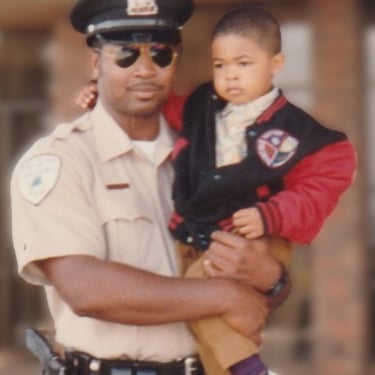
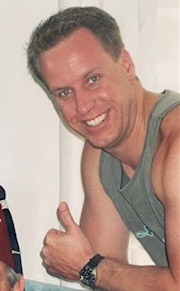
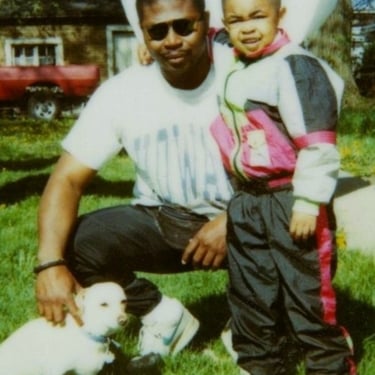
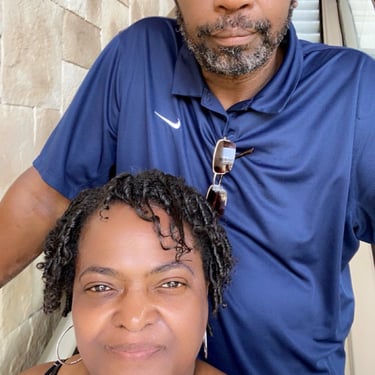
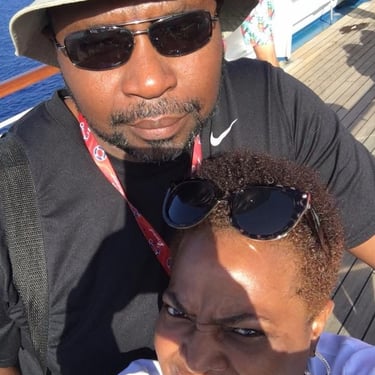
My name is Vincent. Yes, I'm a cop, but more importantly, I'm a husband and father.
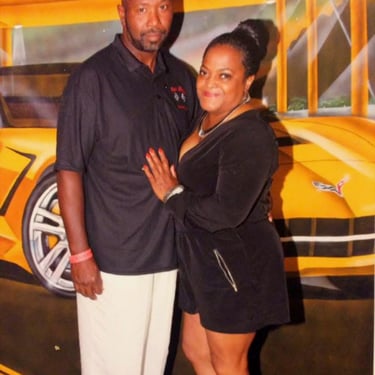
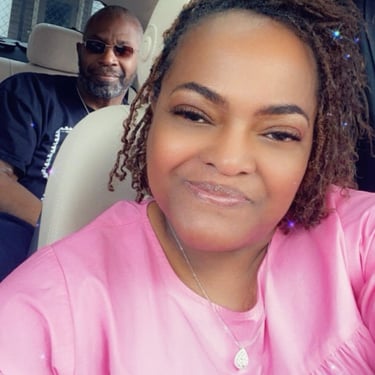
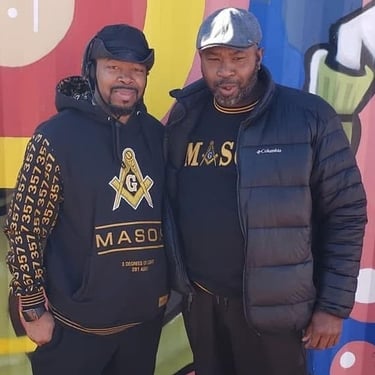
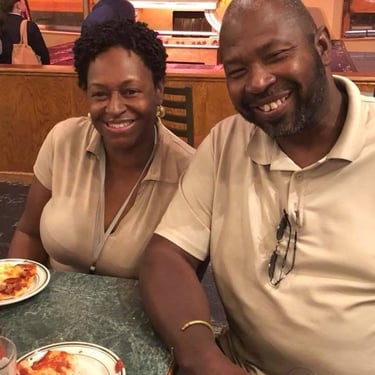
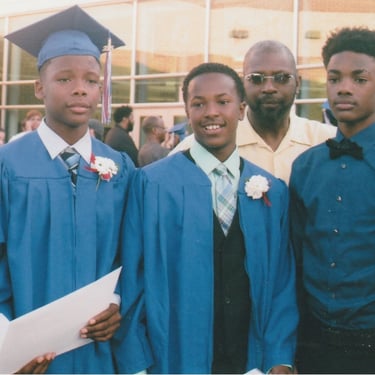
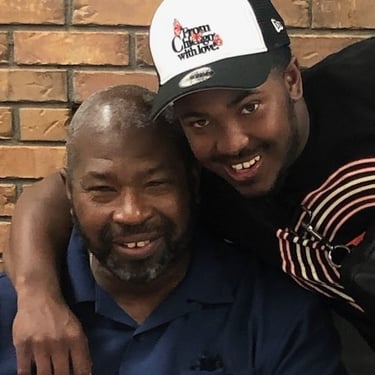
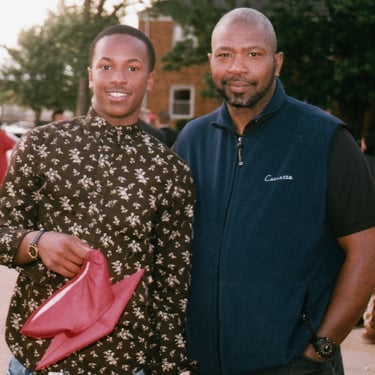
I love my family with everything in me. I married my high school sweetheart, and that love has been one of the greatest blessings of my life. Together we built a life centered on faith, loyalty, family, and standing by each other through every season. I am the proud father of two sons and looking forward to becoming a grandfather. That next chapter means the world to me. The people I love are my greatest joy.
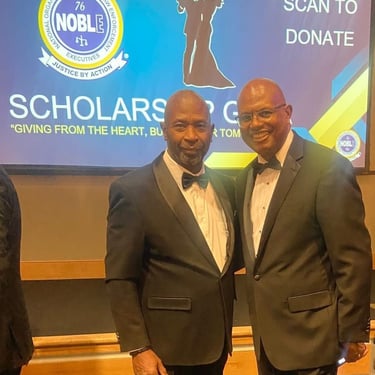
I spent 34 years serving as a police officer. Service was never just a job to me. It was a way of life. I believed in protecting people, helping where I could, and being someone others could count on when life got hard. Like many of you, I'm a quiet person, but always tried to live with courage and purpose.
But the truth is, the badge is only one part of who I am.
I am the man who loves family gatherings, quiet moments with the people closest to me, laughter, shared memories, and the simple gift of being together. I am someone who believes that love is shown in how you show up for people, day after day, year after year. I have tried to live my life that way.
What makes a life worth saving is not status or titles. It is love. It is devotion. It is the good you try to put into the world. It is the people whose lives are forever tied to yours.
Only you can decide if I'm worthy of being saved. But this I can tell you: I am loved, I am needed. I still have more life to live, more memories to make, more wisdom to pass down, and more love to give. I want more time with my wife. I want more time with my sons. I want to hold my grandchild and be fully present for the moments that matter most.
I spent my life showing up for others. I would be deeply grateful for the chance to keep showing up for the people I love.
TESTIMONIAL
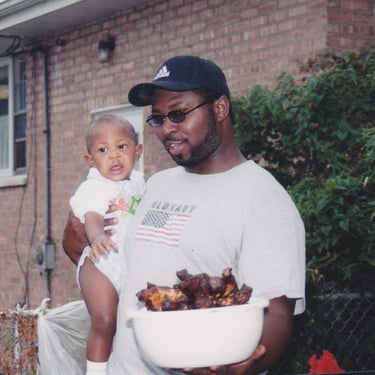
For 30 years, Vincent served his community with honor. He is a devoted husband, father, and the person who brings people together—often cooking for dozens at a time and expecting nothing in return." - Family Friend
Watch why donation really matters

Anyone Can Be A Living Kidney Donor

TESTIMONIAL
"Vincent is the one who brings people together. Whether cooking for neighborhood events or delivering meals during the holidays, he has spent years making sure others were taken care of." - Family Friend


Have You Ever Seen a MIRACLE Happen?

TESTIMONIAL
"His kindness isn’t loud—it’s steady, dependable, and real. If you needed help, Vincent was already there before you asked." - Long-time Friend

TESTIMONIAL
"After a lifetime of giving, Vincent is now facing a moment where he must ask for help. A kidney transplant would give him the chance to continue being the man so many people depend on." - Friend of the Family
Useful Facts for the Deeply Curious
Challenges Facing African Americans
Black/African Americans are overrepresented among people waiting for transplant compared with their share of organ donors. In 2025, Black/African Americans made up 27.0% of all candidates on the national organ transplant waiting list and 29.1% of kidney waiting-list candidates. In 2024, Black/African Americans received 22.8% of all U.S. organ transplants, but represented only 12.6% of all organ donors. The donor gap is larger for living donation: Black/African Americans represented 14.8% of deceased donors, but only 7.3% of living donors.
The living donor gap matters in kidney transplantation because living donor kidneys usually offer shorter wait times and longer graft survival than deceased donor kidneys. In 2024, only 16.9% of Black/African American organ donors were living donors, compared with 29.3% of all U.S. organ donors. Recent national policy changes have improved wait-list fairness for Black kidney candidates affected by older race-based eGFR calculations; OPTN/HRSA reports that eligible Black kidney candidates can receive corrected waiting time they would have had under a race-neutral calculation. That policy addresses wait-time disadvantage, but it does not close the living donor gap.
Sources: HHS Office of Minority Health , Human Resources & Services Administration, Scientific Registry of Transplant Recipients 2023 Annual Report, American Journal of Transplantation on OPTN./SRTR 2023 Annual Data Report: Kidney (February, 2025).
As of April, 2026, about 90,000 of the 103,000 people in the U.S. waiting for an organ transplant are kidney patients. Every day, 12-13 people die waiting for a kidney transplant.
The median wait time for a deceased-donor kidney is 56 months in the US, but varies depending on blood type, location and even the hospital system, according to National Kidney Foundation and Duke Health. Wait times by blood type are:
• O: 5-7 years
• A: 3-5 years
• B: 6-7 years
• AB: 1-7 years
Living donor transplants last longer than deceased donor kidney transplants, based on a study of over 330,000 adult kidney transplants, with median graft survival 19.2 years vs. 11.7 years. A living donor transplant offers two advantages at once — a faster path to transplant and a kidney that tends to function longer. Sources: American Journal of Transplantation (2021), American Journal of Transplantation (2025) on findings in OPTN/SRTR 2023 Annual Report, and the National Institutes of Health National Institute of Diabetes and Digestive and Kidney Diseases' analysis of the United Stated Renal Data System 2025 Annual Data Report